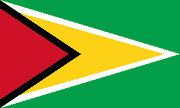
King Charles III arrives in Guyana today for a two-day state visit, his first since February 2000 when he visited as Prince of Wales. The visit, marking 60 years of UK-Guyana relations, takes place against growing calls for Britain to apologise and pay reparations for slavery and colonialism.
The programme
According to the British High Commission, the King will:
- meet President Irfaan Ali at State House and attend a State Reception;
- lay tribute at the Georgetown (Rabbit Walk) Memorial;
- meet elected leaders of the National Toshaos Council;
- attend the Global Biodiversity Alliance conference and a business reception;
- meet members of the public at the Kingston Seawall bandstand on Friday afternoon.
Queen Camilla is not travelling to Guyana and will join the tour in Antigua and Barbuda, which hosts the Commonwealth Heads of Government Meeting from November 1 to 4.
Reparations on the agenda
President Ali told ITV News that the King’s past expressions of regret are welcome but no longer enough, and that he wants a formal apology and reparatory justice. Buckingham Palace has pointed to the King’s work “to acknowledge the wrongs of the past” but, according to reporting, is not expected to offer a formal apology.
The International Decade for People of African Descent Assembly-Guyana (IDPADA-G), chaired by Vincent Alexander, wrote to Ali urging him to press for UK reparations and to launch a national reparatory justice process at home, covering land justice and economic empowerment. “Domestic action is not a substitute for British reparations, and it should not wait for Britain’s response,” the group said.
Not everyone invited
Nikita Miller, toshao of Chinese Landing on the Barama River, said she was not invited to official engagements, Latin Times reported. Her village has been in a years-long land dispute with a gold-mining permit holder over territory it has held title to since 1976. The Guyana Human Rights Association has accused the government of using ceremonial occasions to obscure unresolved Indigenous rights issues.
What to watch
The visit is an opportunity for the government to show that its reparations rhetoric is matched by action at home, including on land titling for African and Indigenous Guyanese. Whether the President’s public words translate into a concrete agenda will be the measure of the visit.
Sources
- INews Guyana: King Charles III to engage the public, attend GBA summit, meet Toshaos
- Latin Times: King Charles arrives in Guyana as calls grow for Britain to apologize
- ITV News: Guyana demands a royal apology and reparations ahead of the King’s visit (Oct 19, 2026)
- Demerara Waves: Afro-Guyanese organisation urges Ali to push for reparatory justice (Oct 28, 2026)
Leave a Reply