
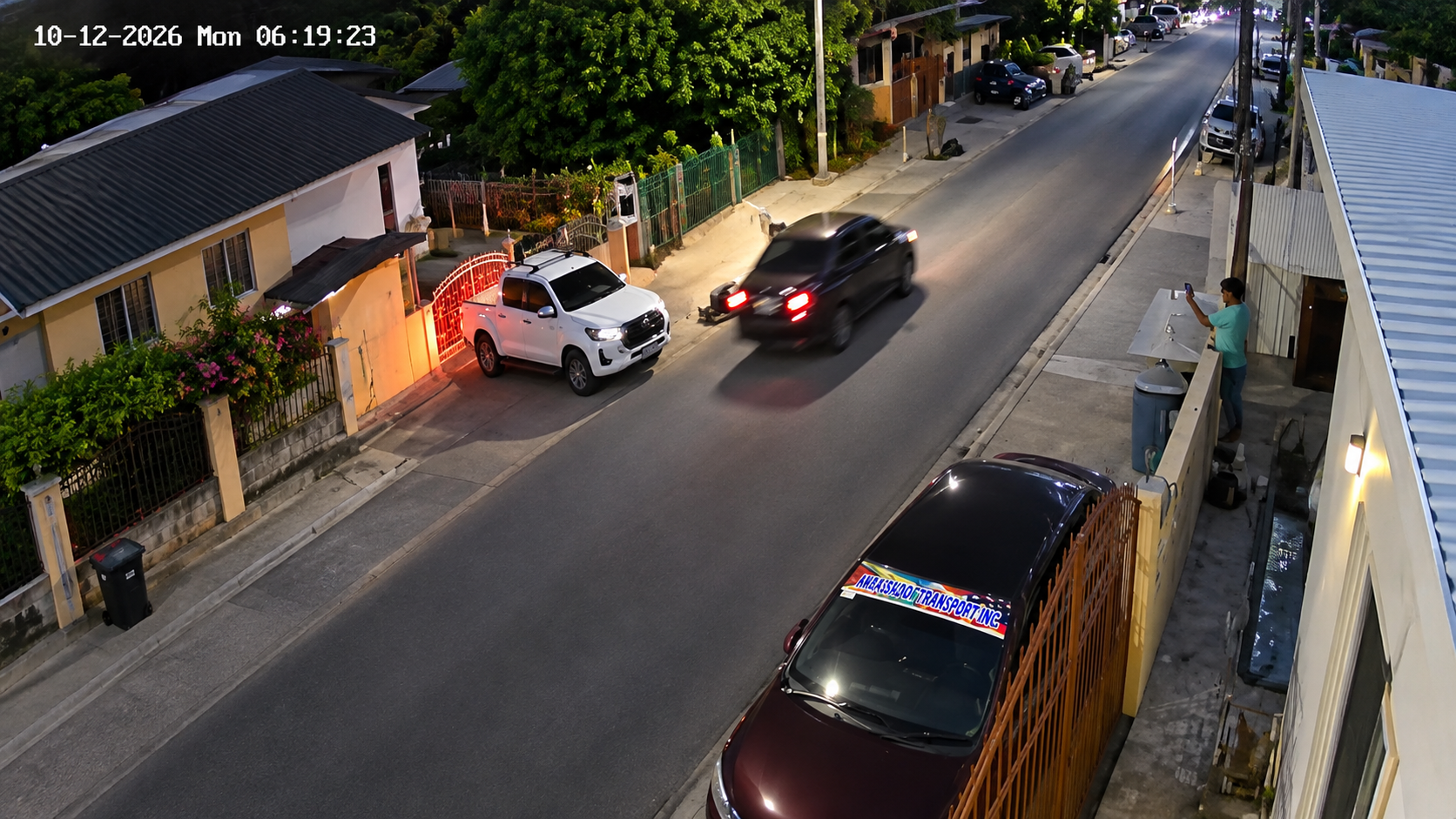
The Office of the Director of Public Prosecutions (DPP) has confirmed that the surveillance video circulating on social media was not obtained by the defence. It is part of the prosecution’s own body of evidence in the case before the Georgetown Magistrates’ Court involving Opposition Leader Azruddin Mohamed and his driver, Eugene Thorne.
According to the DPP, the recording was disclosed to defence counsel in open court on Friday, November 6, 2026. It came from the camera system at the home of one of the prosecution’s principal witnesses, who handed it to investigators along with a written statement to the police. The DPP also says the video is only one component of a wider case that includes witness statements and other material.
This matters because much of the public conversation has treated the video as if the defence had exposed it, as though it were footage dug up by Mohamed’s camp to challenge the State’s account. It was not. The DPP says the recording came from a prosecution witness and was disclosed by the prosecution in open court. Whatever it shows, it is evidence the State has chosen to rely on to make its case.
That raises a pointed question: if this is the evidence the prosecution is using to make its case, who is distorting it, and why? The DPP has complained about short excerpts circulating on social media, but it has not said who clipped the footage or who first put it into circulation. The video was disclosed to the defence in open court on Friday, but it was also held by the prosecution, the witness who owns the camera system, and investigators. Once it reached the public, journalists, commentators and ordinary social media users could all have shared or cut it. If it is true that the footage was clipped to distort and manipulate public opinion, the DPP should say who it believes is responsible, and on what basis, rather than leaving the public to guess.
If that is indeed the case, there needs to be a reset in how the public approaches this matter. A few seconds of edited footage is not the full recording, the witness statements, the forensic evidence or the court’s assessment. Nobody should accept a verdict, from any camp, built on a clip.
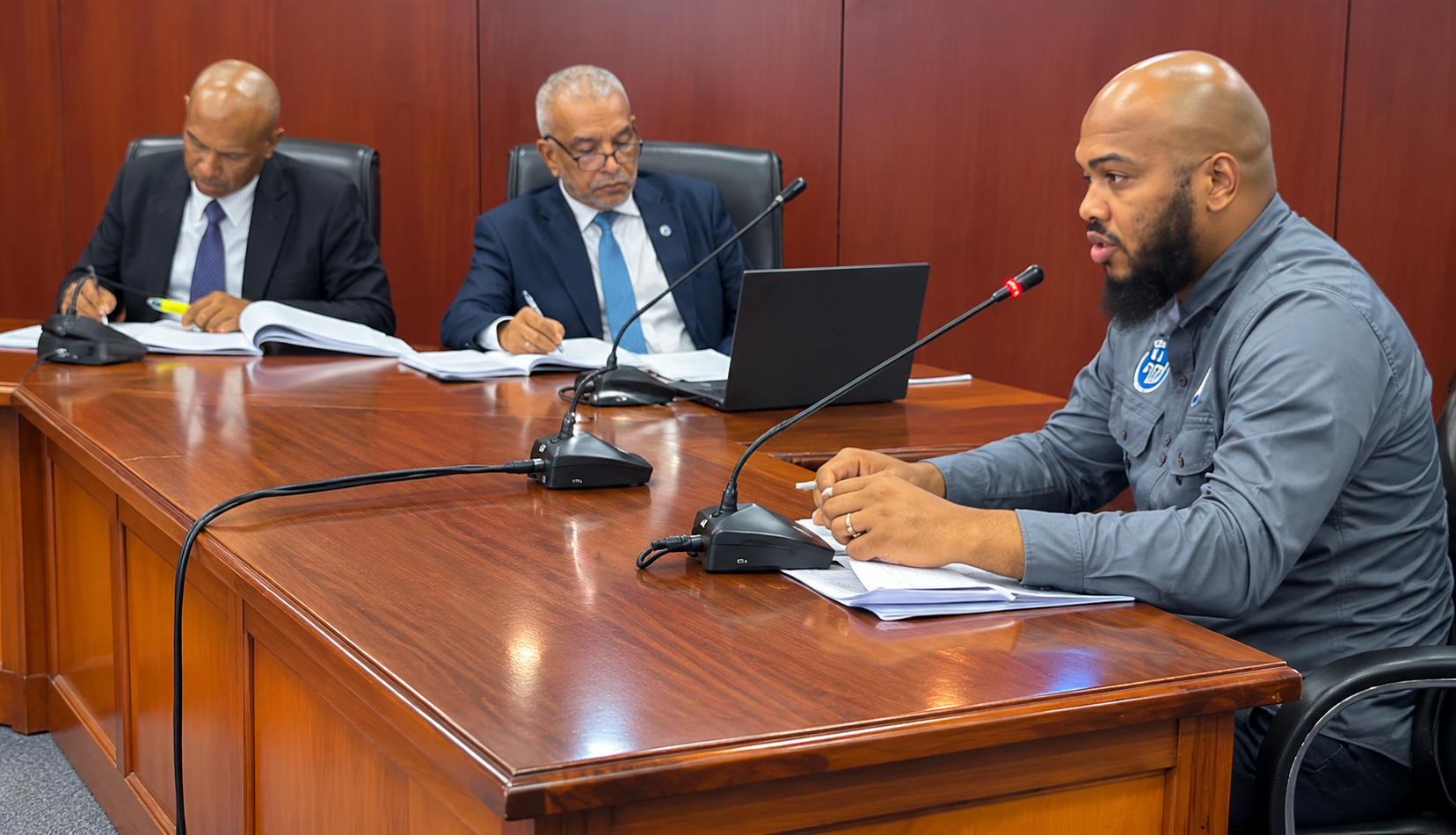
The same caution applies to the forensic claims. Senior Science Officer Vishal Jaigobind of the Guyana Forensic Science Laboratory has reportedly indicated that gunshot residue was detected on Mohamed and Thorne, while the defence maintains that Mohamed neither possessed nor discharged a firearm. Those are competing positions, and they belong in a courtroom to be tested.
The DPP has called on social media users to stop sharing partial evidence, and says the assessment of evidence is for the courts. But given that the prosecution’s own material is at the centre of this, the public deserves clear answers about how it reached the public domain, and should hold every claim, including the DPP’s, to the standard of the full evidence.
Leave a Reply